


Vitamins & Minerals

Antioxidants-BLOGGED
Antioxidants are compounds that protect the body from free radicals. Free radicals are unstable atoms that cause cellular damage known as oxidative stress. Oxidative stress is the underlying cause of many chronic health problems like aging, cardiovascular disease, anemia, and cancer.
Vitamin C and vitamin E are among the most important vitamins and are potent natural antioxidants. Natural antioxidants are mostly found in plant sources. Fruits and vegetables that are red, orange, and blue have the highest antioxidant activity. Other natural antioxidants are beta-carotene, lycopene, selenium, flavonoids
Antioxidants increase shelf life of foods (and people!). Manufactures add antioxidants, like vitamin C (ascorbic acid, usually synthetic), as food additives.

Digestive Enzymes-BLOGGED
Digestive enzymes are enzymes secreted by the body to break down food. They start at the beginning of digestion, the mouth, and are secreted along the digestive route. Many people lack the necessary enzymes to adequately break down their food. This not only causes digestive issues but it can leave you malnourished.
Eating foods that support your body's natural functioning is always best. Many foods boost enzyme production or contain enzymes themselves. See the list of NATURAL SOURCES for foods that can be eaten at the beginning of a meal, to help break down your food.
If you choose a digestive enzyme supplement, here's what to look for:
If you have low stomach acid, and most people do, choose a supplement with betaine HCL and pepsin.
If you have trouble digesting fat or have gallbladder pain after you eat, choose a supplement with bile salts or bile acids like ox bile, and lipase.
If you have trouble digesting dairy products, choose a supplement with lactase.
If you have problems digesting protein or if you have an autoimmune disease, choose a supplement with protease.
Supplements with herbs like ginger, peppermint, papaya, etc. help support digestion.
(adapted from draxe.com, Digestive Enzymes, Benefits, Types, and How They Work)

Essential Fatty Acids
(Vitamin F)
Essential fatty acids (EFA), also known as omega-3 (alpha-linoleic acid), omega-6 (linoleic acid), and omega-9 are vital for our overall health. The are considered "essential" because they are obtained only through diet. Omega-9 is produced by our bodies, from the omega-3 and omega-6 we take in.
When consuming EFAs, you always need twice as much omega-3 as omega-6. If you take in more omega-6 than omega-3, inflammation becomes a big problem. One of the main reasons seed oils like vegetable oil, canola oil, safflower oil, peanut oil, sesame oil, grapeseed oil, etc., are not good for you, is because they are higher in omega-6 than omega-3.
Most restaurants fry their chicken and french fries in these oils. Some restaurants have switched over to tallow for frying. Tallow is a healthier fat, IF it's from grass-fed cows. If they are grain-fed or grain-finished, the health benefits are greatly diminished. If you want fried foods, you're better off buying quality grass-fed tallow and cooking your food at home.

Iron
The Frisky Horse
Iron is known as the "frisky horse" because it brings vitality. It is one of eight trace minerals and is found in EVERY cell in our body. It plays an important role in energy production, fetal development as well as red blood cell production. There are two forms of iron: heme and non-heme.
Heme iron carries oxygen from the lungs to the body's tissues through hemoglobin. Myoglobin holds the oxygen in the cells of the muscles. Heme iron is the most bioavailable form of iron. This means the body can absorb it and use it more easily than non-heme iron. Non-heme iron is much less absorbable but there is much more of it in the foods we eat than heme iron. Therefore, it contributes more in meeting our iron needs.
Some plant foods contain non-heme iron. Animal meat contains both forms of iron, making it the best choice for nutrition.
Phytic acid is a natural substance found in plant seeds that hinders the absorption of iron, zinc, and calcium. It is often referred to as an antinutrient because it works against the body. For those following a healthy diet, phytic acid is not a big problem. But, for those NOT following a healthy diet, malabsorption and malnourishment can occur.
All edible seeds, grains, legumes, and nuts contain phytic acid in various amounts, and small amounts are also found in root vegetables and tubers. Phytic acid can be reduced by soaking, sprouting, or fermenting.
Magnesium
The Relaxer
Magnesium, also known as the relaxer, is one of seven essential macrominerals. It is a naturally occurring mineral that is involved in over 300 metabolic processes in the body. The adult body can store about 25 grams of magnesium. 50-60% is stored in the skeletal system while the rest is stored in muscle, soft tissues, and bodily fluids.
Magnesium helps to turn nutrients into energy. Low magnesium keeps water from making it into the cells, causing loss of energy. Low magnesium can lead to abnormal heartbeats, seizures, loss of muscle control, and muscle twitching. It can also cause difficulty breathing and cardiac arrest. Certain medications, like omeprazole, can cause magnesium to be depleted.
Too much magnesium can be caused by taking excessive magnesium supplements, laxatives, or antacids. It can cause nausea, vomiting, facial flushing, low blood pressure, muscle weakness, irregular heartbeats, and trouble breathing. If the magnesium levels go too high, it can result in toxicity and even death.
Calcium and magnesium work together and should be taken in balance. The muscles "work" with calcium and "rest" with magnesium. Taking high doses of vitamin D for too long can decrease the absorption of magnesium.
Magnesium Glycinate - Well absorbed; helps with relaxation and sleep
Magnesium Malate - Supports muscle function and recovery; helps with fatigue; eases pain
Magnesium Oxide/Hydroxide - Has only a 4% absorption rate; gentle laxative
Magnesium Chloride - Well absorbed; helps with gut issues like poor absorption or leaky gut
Magnesium Citrate - A gentle laxative
Magnesium Sulfate - Epsom salt; well absorbed through skin; provides stress relief; reduces inflammation; helps with restless leg
Magnesium Theonate - Helps with depression; helps with anxiety; clears brain fog

Manganese
The Love Element
Manganese is one of eight essential trace minerals. It is the main antioxidant in the cell, and plays an important part in many physiological processes. Manganese is necessary for normal functioning of the brain, nervous system, and the body's enzymes. The body will store around 20 mg of manganese in various organs, but it is still necessary to eat foods with manganese.
The reason manganese is called "the love element" is because it is known to contribute to the mother's love and maternal protection of her child.

Potassium
Potassium is an essential mineral and electrolyte necessary for proper cell function. It is the third most abundant mineral in the body, and is required for the heart, kidneys, and brain to function properly. Potassium helps maintain a normal heart beat as well as normal functioning of nerves and muscles. It is also necessary for the body to break down and use carbohydrates.
Sodium, which transports nutrients to the cells, works with potassium, which removes waste from the cells. Potassium helps with excess sodium excretion, which helps relax blood vessels. High sodium can cause potassium levels to drop, which can lead to heart attack and stroke. Low magnesium can contribute to low potassium as well.
Salt
Salt is vital for life. Without salt, you will die. Salt creates conductivity in our bodies. Conductivity is the ability of cells, especially nerve and muscle cells, to transmit electrical pulses. The human body works well as a conductor of electricity, due to its high fluid content and electrolytes, like sodium, potassium, and chloride.
As an energetical being, the human body has electrical pulses found mostly in the heart, the central nervous system (which includes the brain and spinal cord), the nerves, and certain endocrine cells. Without proper conductivity, the electrical pulses could not move through the body efficiently.
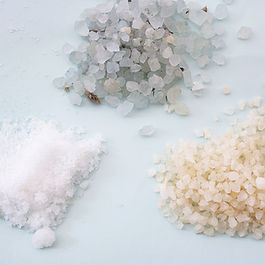
It is important to know that all salt is not the same. Mineral salt contains magnesium, zinc, chloride, iodine, manganese, selenium, copper, cobalt, fluorine, sodium, potassium, calcium, and iron, or a combination of these, depending on where it is mined and other environmental factors. It helps with nerve fuction, fluid balance, oxygen transport in the blood, bone health, muscle function (your heart is a muscle), etc.
Bleached white table salt, which is ultra-refined, has no benefit at all. Because the minerals have been removed, table salt causes inflammation, fluid retention, high blood pressure, and disease. For this reason, experts say salt is bad. The World Health Organization recommends reducing salt to nearly zero. Reducing table salt to zero is a step toward health.
Many of us eat out, probably more than we should. Most restaurants use bleached white table salt and other salt additives. This is why your hands feel tight, your feet swell, and you feel your blood pressure going up after eating. We won't even talk about what restaurant foods are fried in.
When recommending clients increase their water intake, many don't like the idea because they have to use the bathroom too often. If water goes right through you, you do not have the proper mineral levels to push the water into your cells. You are dehydrated. I had the same problem. I began using a 1/4 tsp of Redmond's mineral salt in my 32oz water bottle. That problem stopped without fluid retention, inflammation, or high blood pressure.

Sodium
The Youth Element
Sodium is one of seven essential macrominerals. It has gotten a bad rap in our society because of the sodium chloride used in white table salt. The sodium we are discussing is very beneficial and extremely necessary for our bodies to function well.
Sodium and potassium work closely together. High sodium intake can raise blood pressure while high potassium intake relaxes arterial walls, helps the body excrete the sodium, thereby lowering the blood pressure. The body needs a lot more potassium than sodium.
Sodium from food and herbal sources helps calcium keep your body strong and flexible. It is called the "Youth Element" for this very reason.

Vitamin B Complex
Vitamin B complex is made of eight vitamins. These vitamins are water-soluble, which means they need water to be useful to the body. B vitamins are necessary for the creation of energy. They are not stored in the body and must be replaced daily. Each B vitamin has its own benefits, but they work synergistically, meaning they do a lot more together than separately.
B1 - Thiamine - converts carbs into energy, proper functioning of nervous system, heart, and muscles
B2 - Riboflavin - energy production, metabolism, cellular function
B3 - Niacin - converts food into energy, supports cardiovascular health, balances cholesterol
B5 - Pantothenic - converts food into energy, metabolism, reduces fatigue
B6 - Pyridoxine - aids in the production of serotonin, dopamine, and GABA, which regulates mood, sleep, and appetite
B7 - Biotin - metabolism, neurological function, maintains health of hair, skin, and nails
B9 - Folate - red blood cell formation, repairs bone marrow, skin, and gastrointestinal tract, prevents spina bifida and other neural tube defects
B12 - Cobalamin - maintains healthy nerves and blood cells, supports DNA synthesis, converts food into energy

Vitamin D
Vitamin D deficiency and insufficiency affects nearly one billion children and adults around the world. Most of us who work or go to school, are inside all day long. Many children and adults are inside in the evenings and weekends watching TV, playing video games, scrolling on their phones, rarely even going outside.
Vitamin D is actually a hormone rather than a vitamin. It is similar in structure to testosterone and estrogen, and is produced from the ultra violet radiation in sunshine along with cholesterol. Reducing cholesterol reduces your body's ability to produce vitamin D.
Vitamin D helps the body absorb calcium, magnesium, vitamin K, and phosphorus, all of which are needed for bone health. It contributes to immunity and is anti-inflammatory. Vitamin D protects against autoimmune disease, preeclampsia in pregnancy, cavities and periodontitis, infections, cardiovascular disease, deadly cancers, type 2 diabetes, and neurological disorders.
There has been a lot of research into the role vitamin D plays in our health. Here are a few of the findings:
Vitamin D deficiency is common in overweight and obese school children
Most men with prostate cancer are vitamen D deficient
There is a link between vitamin D deficiency and recurrent tonsillopharyngitis
Vitamin D may be responsible for the metabolism of lipids (fat) and glucose (sugar) in the blood
Low vitamin D may contribute to insulin resistance
Vitamin D plays a role in gut barrier protection, indicating people with leaky gut may be vitamin D deficient
Vitamin D plays a significant role in controlling inflammation
Vitamin D protects against autoimmune diseases
Vitamin D protects agains multiple sclerosis
Vitamin D deficiency contributes to depression in men
Low vitamin D is a risk factor for Covid-19 and hospitalization
To increase vitamin D levels without supplementation, sit in the sun without wearing sunscreen, for 15-40 minutes. Doing this daily can drastically improve your health.
If you choose to take a vitamin D supplement, vitamin D3 is the most bioavaible form. Dr. Eric Berg recommends 5,000-20,000 IU per day along with vitamin K2 at a 1000:10 ratio (for every 1000 IU of vitamin D3, take 10mcg of vitamin K2).

Zinc
Zinc is an essential mineral. This means our body does not produce zinc, so it has to be received from the food we eat. It is an important trace element that helps with cellular metabolism, protects from oxidative stress, is necessary for the normal function of natural killer cells, which kill pathogens and cancer cells, and helps with the aging process.
Zinc is necessary for immune function, reproduction, the building of DNA, the formation of protein, which becomes the structure of our bodies, cell division as well as cell signaling. Zinc is responsible for the senses of smell and taste as well.
The best food source of zinc is food from animals, like meat, eggs, and dairy. Because of bad health information promoted by the government, older people who have avoided meat due to fears of high cholesterol, tend to have a greater zinc deficiency.
Zinc deficiency is prevalent in people with HIV. Supplementing with zinc slows progression of the disease.
A study done on patients admitted to the hospital with Covid-19, who were zinc deficient, had longer hosptial stays and higher death rates. We also saw that Covid-19 depletes zinc, because so many people lost their senses of smell and/or taste during the pandemic.
Because of its antiviral properties, taking zinc with colds and flu, can shorten the duration of the sickness. It can also keep it from becoming severe.
Zinc is beneficial for skin conditions. It helps wounds to heal by promoting the growth of new cells, reduces inflammation in skin conditions like eczema, and helps with conditions like acne by regulating oil production.
People who tend to have greater zinc deficiency are diabetics, vegetarians, especially vegans, children with sickle cell anemia, ones who have had bariatric surgery, ones who have gastrointestinal disease, women who are pregnant or lactating, and people with alcohol use disorder.